Follow the devastating passing of former Wolves manager Kenny Jackett at the age of 64, author and journalist Paul Berry, who worked alongside him at Molineux, pays tribute.
***
When catching up with Kenny Jackett on the occasions since he had left Wolves, the conversation would always follow a very similar pattern.
‘What are you up to now?’ ‘How are your lads?’ And: ‘I didn’t half enjoy our time at Wolves, you know.’
The ‘our’ always felt deliberate.
Because for Kenny, the success he enjoyed in dragging Wolves up from a calamitous double relegation, was very much a team effort.
First and foremost, that involved his family. Wife Sam and sons David and Ryan who were a constant support, attending pretty much every game and fully immersing themselves into life at Molineux.
For Kenny, that was probably the most important part of the ‘our’.
Then there were his staff. His trusted lieutenant Joe Gallen, a brilliant assistant with whom he forged such a cast-iron partnership. And the other backroom staff at Wolves who benefitted not just from his clear methods and direction, but the trust and freedom with which to carry out their respective roles with his complete confidence in their dedication and ability.
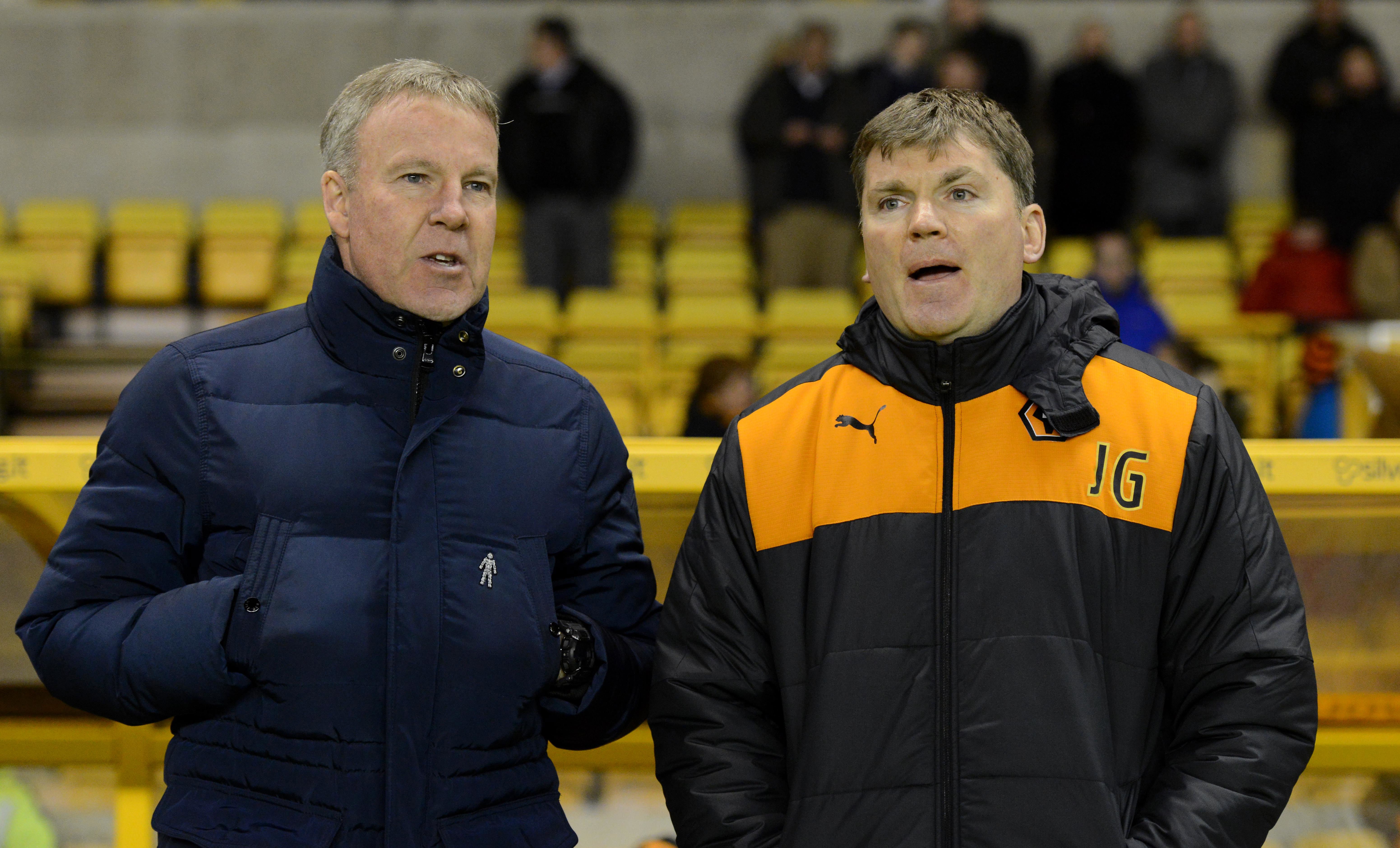
Not to mention the entire staff across Molineux and Compton. Whoever they were, whatever their job, he always ensured they felt part of the overall ‘team’, and a part of the success.
But when it comes to Kenny himself, and the situation he inherited back in the summer of 2013, even if he wasn’t one to hog the limelight, he was most definitely the leader.
He emerged as the new boss after a vigorous recruitment process led initially by Kevin Thelwell and then unequivocally backed by both Jez Moxey and Steve Morgan.
This was an appointment which, more than most, Wolves just had to get right.
The double drop from the Premier League, which ended in substantial fan unrest at the final home game of the 2012/13 season against Burnley, left a club, still keeping many good players and many good people, but perched very much on the edge.
So that leadership, the qualities quickly identified by Thelwell, Moxey and Morgan to shape the way forward, was very much needed.
Kenny was fiercely driven and set very high standards. He was ambitious, he was methodical, he was unflappable. Like a previous Wolves manager Graham Taylor, whom he had worked under at Watford, he was a proper ‘football man’ with solid integrity and time for people. And he was, as many found out, also ruthless.
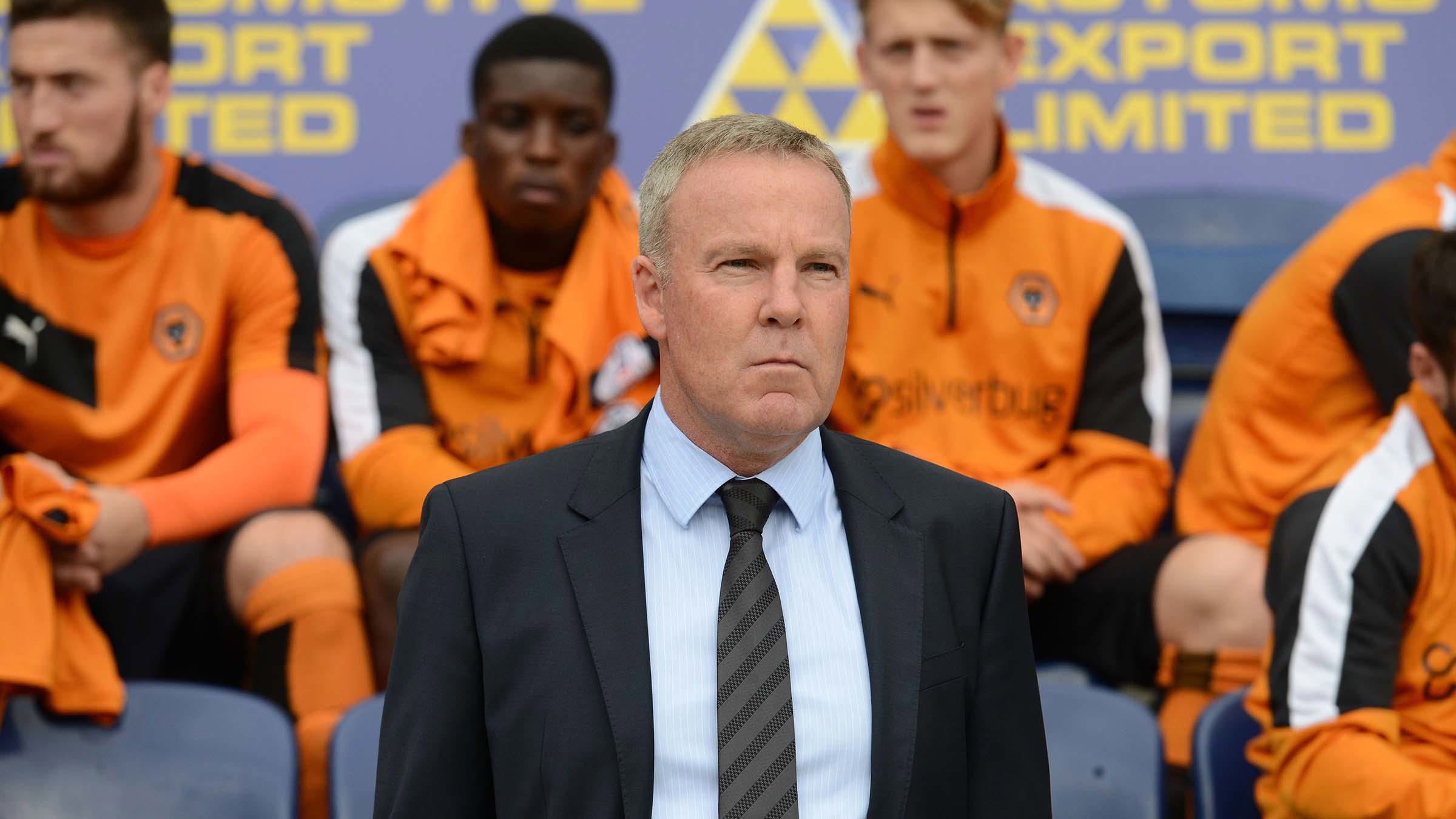
All of which combined to help deliver a record-breaking League One season which not only put a pin in – but quickly reversed - the dramatic decline. It restored pride and passion back to a hurting city.
And yet behind all that, there was an approachable and personable element to Kenny, which made him fairly ‘low maintenance’ when it came to those he worked with. Yes, he didn’t suffer fools and demanded the best. But whilst he was also always ready with strong guidance and sage advice, he very much wanted people to flourish in their own right, to be free to create their own pathways without the need for constant assessment or supervision.
“If that is what you think is right, then do it,” was another familiar Kenny refrain.
Off the pitch, his calm hand on the tiller, especially when he first arrived early in pre-season, was vital. He knew that the battle to win hearts and minds was the only way to give the players their best possible chance when heading back into battle, under intense pressure, come the August.
On the day of his official unveiling, there was a huge amount of media interest at Compton
Wolves, due to their demise at the time, was a big story. Normally in those situations, media would be grouped into different sections to try and speed up the process. But across over two hours, outside and in some sweltering summer sunshine, at his own insistence Kenny delivered personal one-on-one interviews to everyone who had turned up.
Immediately recognising the value of clear and positive communication, of giving his time, and explaining to media and supporters how he was setting about the task.
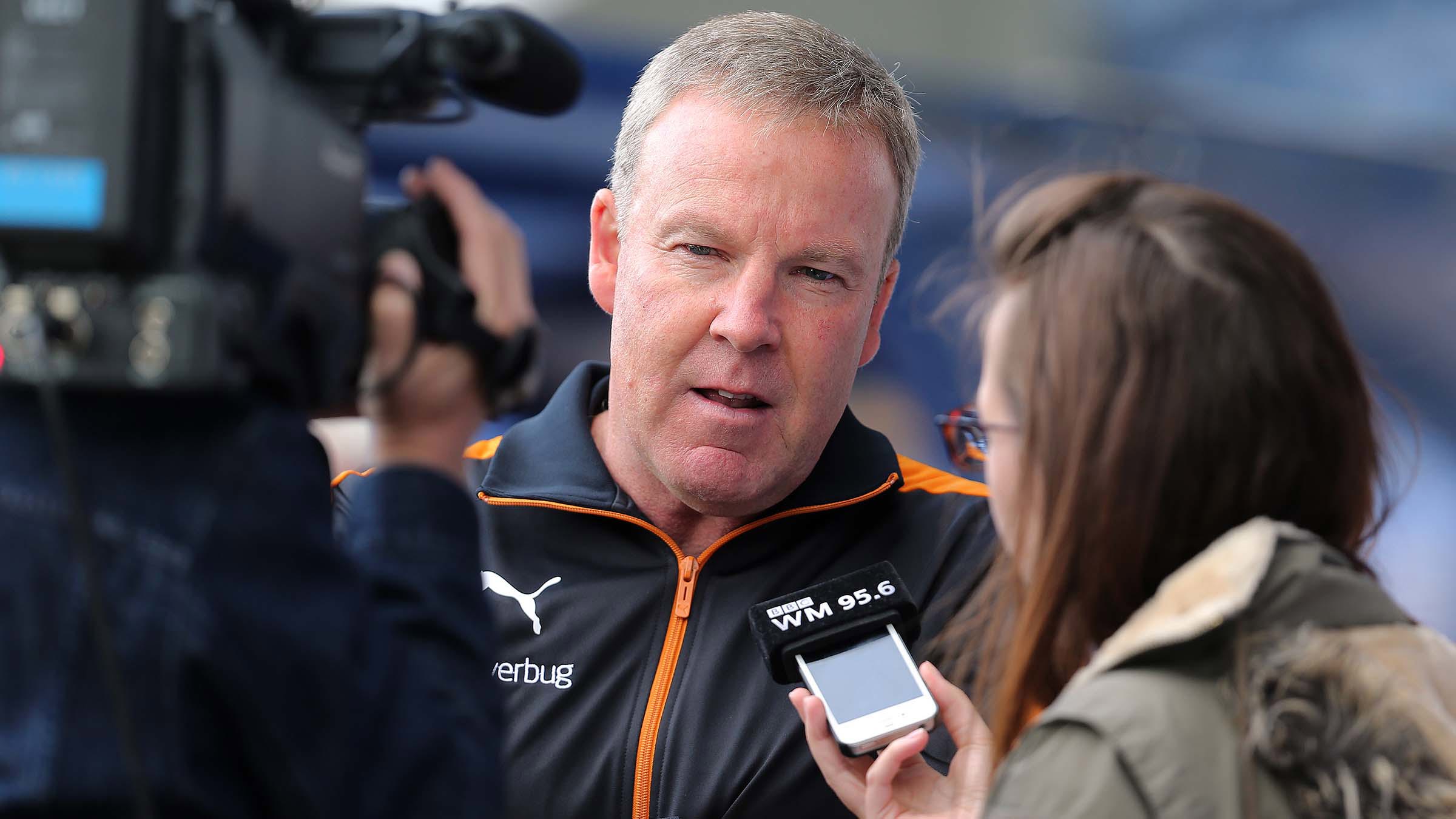
Even later, in what were often very lengthy press conferences, he had a razor-sharp focus in trying to accommodate the media. Current Wolves director of performance Phil Hayward, then head of medical, was always ‘on call’ during press conferences to be summoned from his desk to deliver up-to-date bulletins on players who were sidelined.
Detail was everything.
The fan relationship, helped by his extensive media offerings, was always going to be crucial. Almost immediately after arriving, Kenny met a group of fans, via a ballot process, in the club’s Museum. Wife Sam also came along.
During the following pre-season he helped orchestrate an early morning run through the city centre as part of the squad’s summer fitness programme. A symbolic gesture, but one he felt perfectly captured the need to ensure club and community were very much rooted together.
And on the pitch? Where, to most people, it matters most. Some big decisions needed to be made when he initially checked in, including putting some of the club’s most popular and experienced players in a newly formed ‘bomb squad’ ahead of them being moved on.
Some names on that list caused controversy, and were treated in a way previously unheard of at Wolves, but Kenny felt that was the only way forward. Hindsight would indicate he was correct.
If Gallen was his trusted off-field lieutenant, then Sam Ricketts was his ‘go-to’ on the pitch. He may only have had one season as a Wolves regular, but in the same way as Kenny as head coach, Ricketts’ signing and appointment as captain is one of the most important of the club’s recent history.
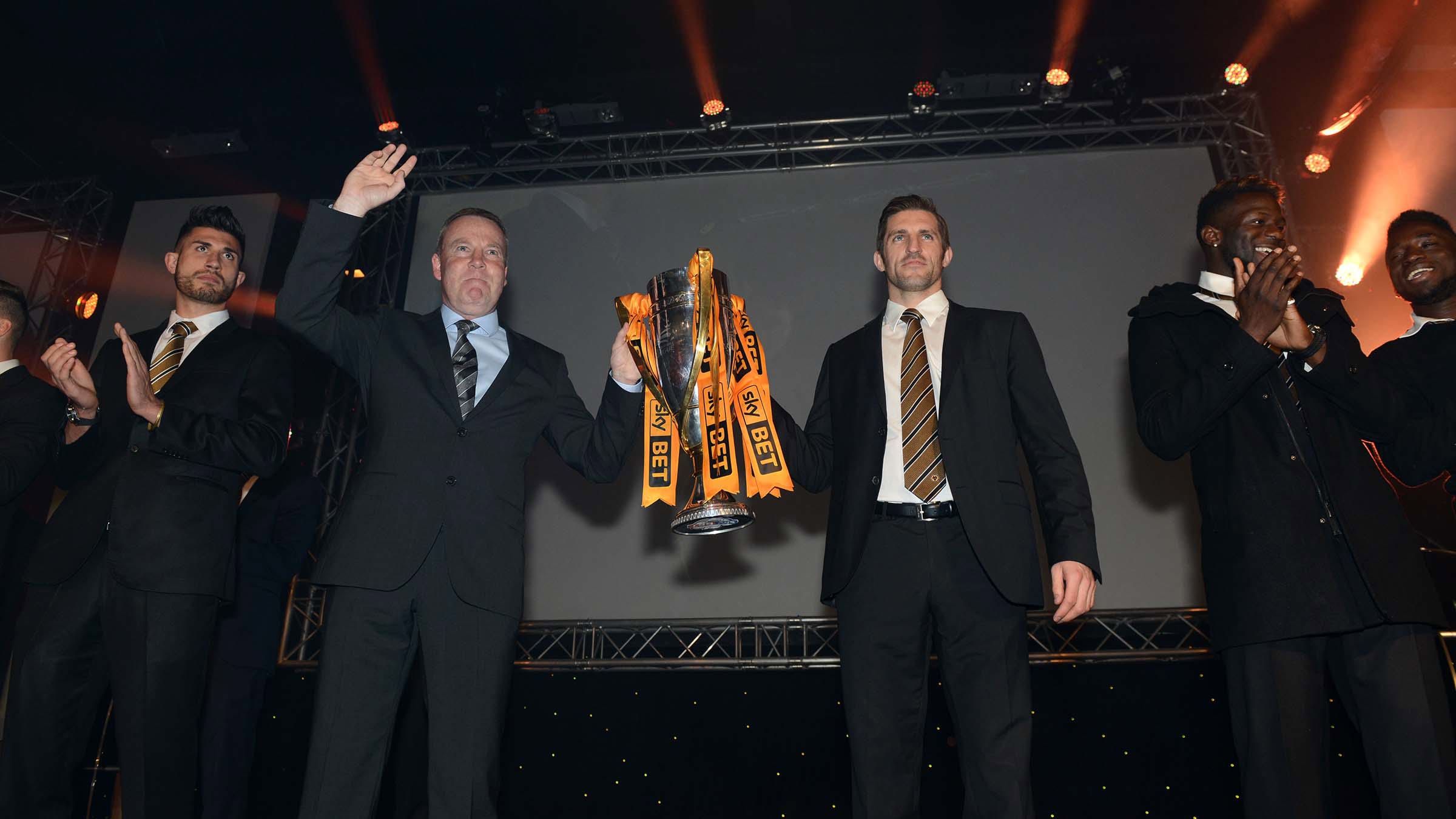
Elsewhere, the signings of Kevin McDonald and Scott Golbourne were also pivotal. Keeping Bakary Sako engaged. Handing more responsibility to Dave Edwards, Richard Stearman, Carl Ikeme and Danny Batth.
Giving opportunities to a glut of young players, many of whom owe their later careers, whether at Wolves or elsewhere, to Kenny’s confidence in their abilities and willingness to give them a chance. ‘The man who gave me my chance in football,’ tweeted Jack Price this morning. ‘Thank you gaffer.’
And what a season League One turned out to be.
No one wanted to be there, in fact, it was a disaster that Wolves were there, but in front of our eyes, another revival took hold. The football, especially over the second half of the season after some January tweaks, was often electric. Supporters travelled in huge numbers the length and breadth of the country to previously familiar lower league outposts and turned them gold and black.
Crowds at Molineux increased by the week, culminating in going past 30,000 for the first time in over 33 years. The atmospheres cranked up, the togetherness returned. Fans had a renewed sense of pride and purpose, and a down-to-earth band of new heroes to serenade.
Taking almost 10,000 away fans to MK Dons to see Academy graduate Liam McAlinden score the winner. A raucous day that was beyond memorable. Securing promotion with a pitch invasion at Crewe. Beating Rotherham 6-4, with a few more pitch invasions, on a ridiculous night at Molineux. Securing the title on the coach home after beating Leyton Orient. More golden memories, and a club reborn.
Then came the following season. Dicko, Afobe, Sako. Wolves’ own version of the Holy Trinity. It was magic, you know.

Molineux was once more a stadium packed with intensity but also packed with fun. And, but for a pesky narrow margin of inferior goal difference, Wolves almost gatecrashed the Championship play-offs. Few would have bet against back-to-back promotions had they made it.
Life changed in the formative stages of the following campaign as Morgan put the club up for sale, investment stalled, and it became more of a case of treading water. But Kenny never complained. Just got on with the job, did what his paymasters asked of him, and kept the club stable ahead of its sale to Fosun.
In very much the same way as he departed with complete dignity when it was decided to move in a new direction with a new manager after the takeover was completed. No crying because it was over, just smiling because it happened.
And there were, behind the intense concentration, plenty of smiles. Requests for cameo appearances in fun club videos were usually granted, including when the legendary club historian John ‘Fozzie’ Hendley starred in a remake of the Southern Comfort advert.
Kenny had loved his time at Millwall, in some ways a very similar club to Wolves with its working-class roots and fiercely loyal and passionate fans who are always direct and to the point. He would tell stories about his time at Millwall with both pride and humour, and sometimes choice language, including a tale of bread rolls being thrown around as an end-of-season dinner descended into chaos which he would deliver with rip-roaring laughter.
Kenny’s tenure only lasted three years, but the impact far longer.
He was the head coach who signed Conor Coady. Helped Matt Doherty to become Player of the Year. The man who turned the ship around, made Wolves an attractive prospect for Fosun, and thus laid the foundations for the spectacular few years which followed as Nuno propelled Wolves to even greater heights.
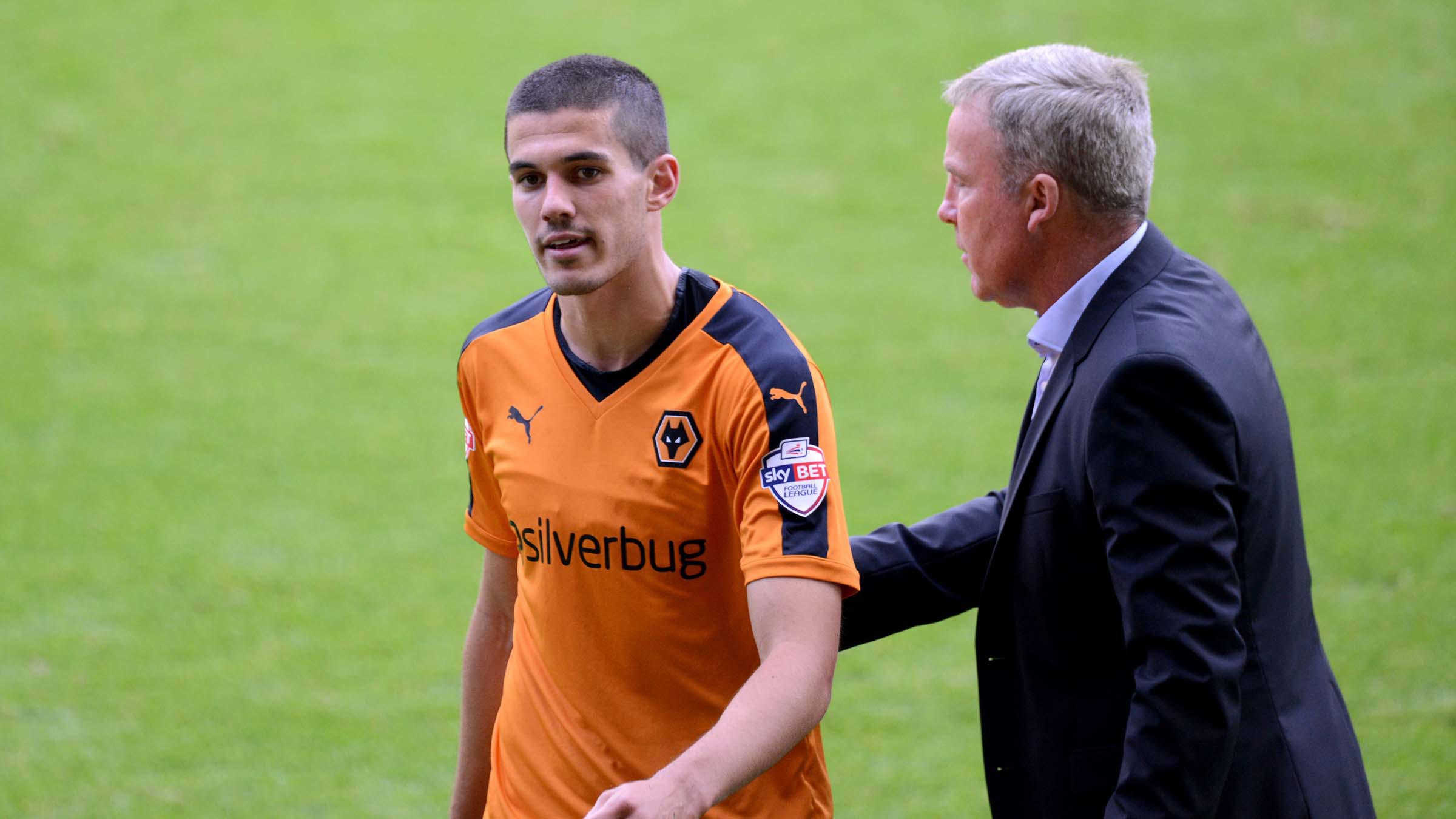
And few were happier than Kenny when it happened.
‘It’s a great club, isn’t it?’ he would say. Having revered the great Mike Bailey from trips to White Hart Lane when his Dad took him to watch Spurs against Wolves, Kenny was just delighted to see the team back at the top table.
The club, the fans, owe him so much. But they know that, and his tenure is always reflected upon with great fondness and affection. Wolves is a special club, and that was a special time.
Kenny just ‘got it’, he knew exactly what was required, galvanised the squad, staff and supporters, and the rest was a wonderfully sweet, if short, spell of recent history. His impact will forever be celebrated, and certainly not forgotten.
‘I didn’t half enjoy our time at Wolves, you know.’
So did we Kenny. So did we.
By Paul Berry


