Bob Hazell laughs a lot when he talks about football. The years might have passed, but the excitement, the passion and the memories are still there for Wolves’ first Black goalscorer.
But more than anything else, the love for the gold and black is still there – which says a lot for a lad from Handsworth who classes himself as a West Bromwich Albion supporter.
As Wolves celebrates its 150th anniversary this season, many of the club’s firsts came in the 1870s, but Hazell will always proudly hold one first which didn’t arrive until 100 years later.
His goal against Manchester City at Maine Road on 18th March 1978 might have seen him become the first Black player to find the net for the Old Gold, but his journey to get to that point was not an easy one.
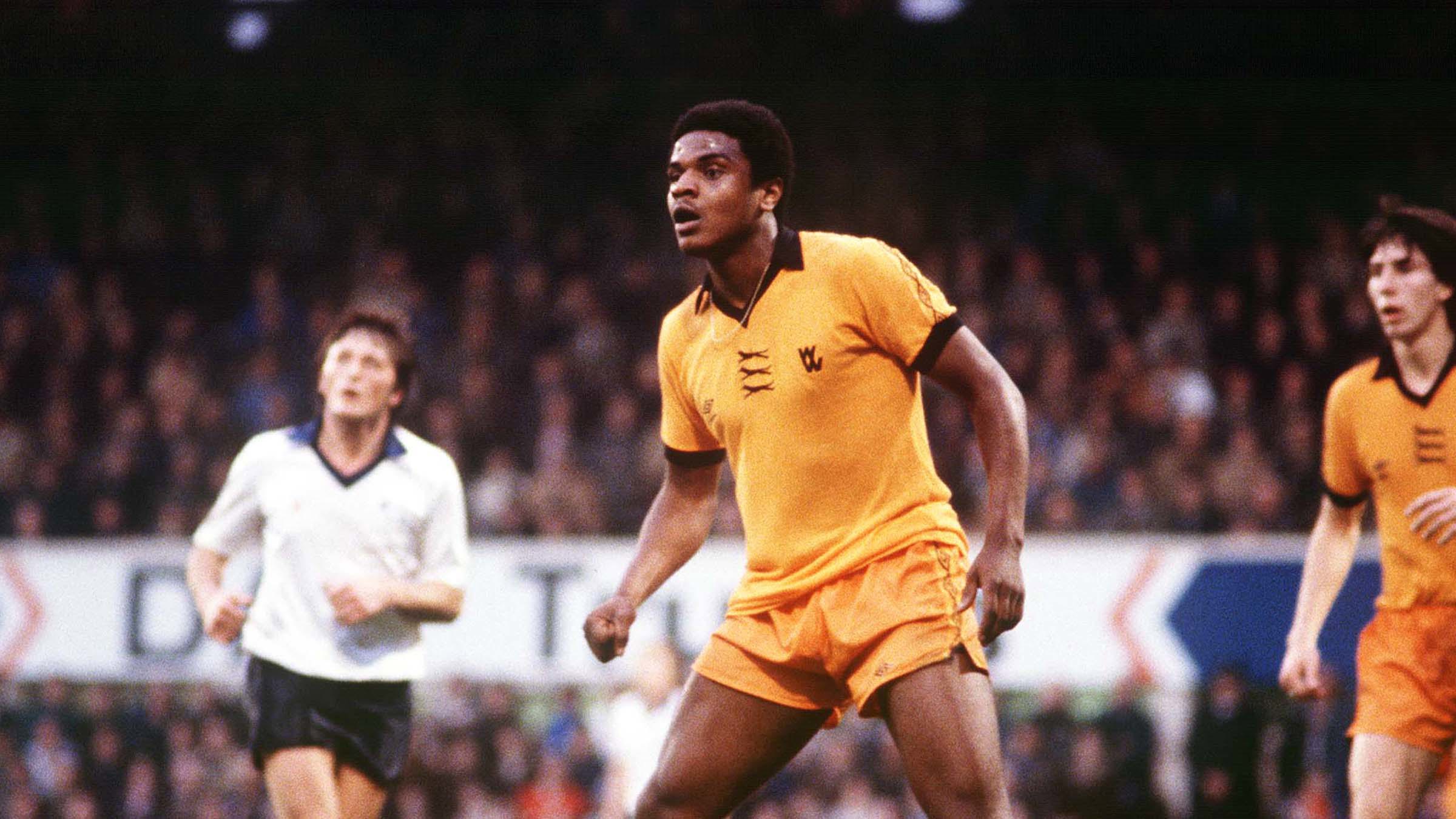
Growing up in Birmingham in the 1960s, life was never going to be straightforward. But football provided Hazell with a constant.
“I was just a football nut,” he said to wolves.co.uk. “I loved everything about football. Wherever there was a football, that's where I felt comfortable.
“I remember starting school in Handsworth and one of the first questions kids would ask was, ‘Who do you support, Albion or Villa?’ The funny thing is, I didn't even know what ‘support’ meant at the time, and I didn't really know who Albion or Villa were.
“Because I was in Handsworth, those were the two teams everybody talked about. West Bromwich Albion were just up the road and Villa were around the corner.
“I eventually said Albion because I was trying to impress one the boys who was an Albion supporter and then discovered they were actually a football team! But from that point on, I became a crazy Albion fan.
“I could probably still name the entire 1968 FA Cup-winning West Brom team.”
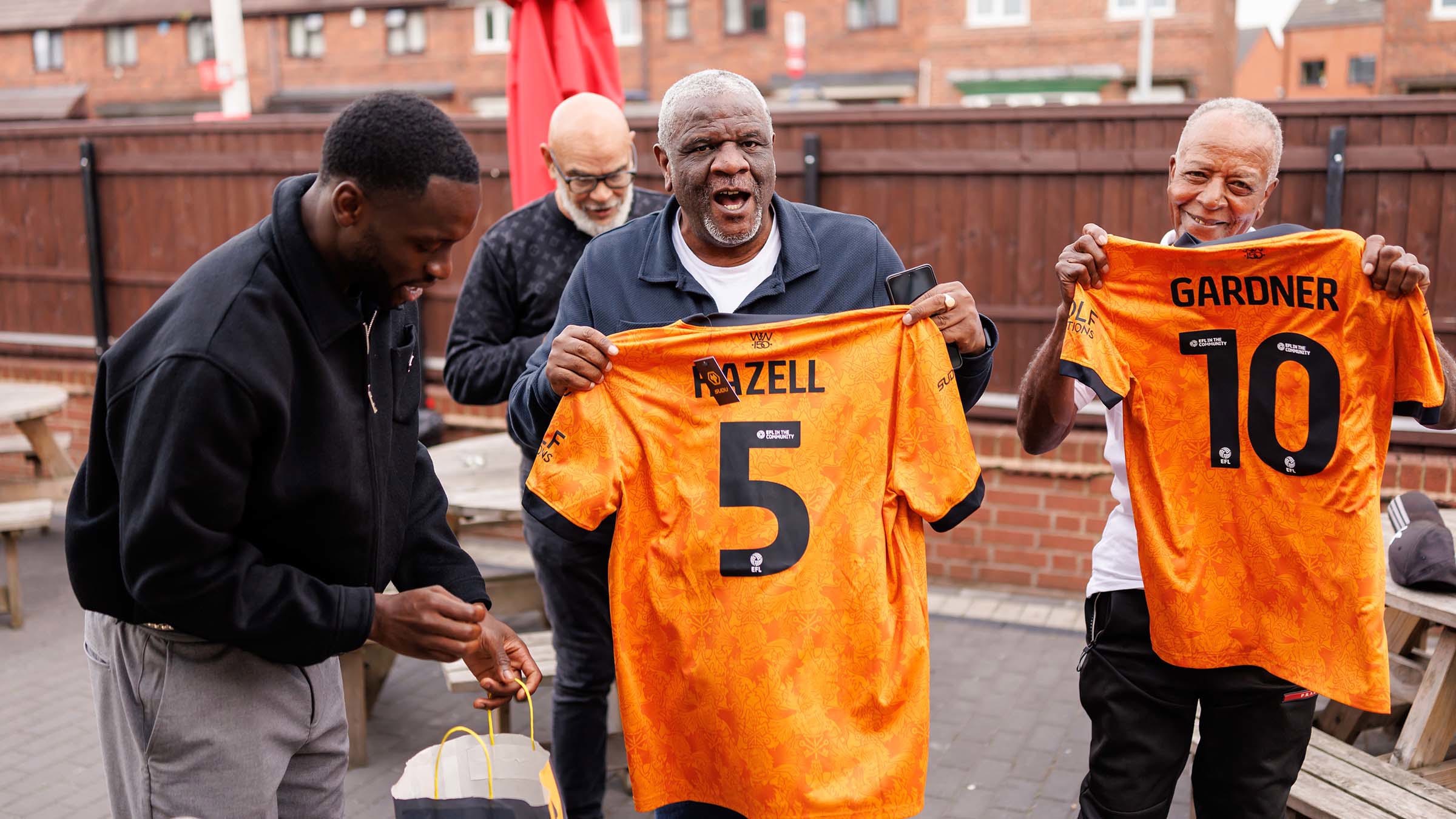
But playing mattered far more than watching. Football before school. Football after school. Football at weekends. Football whenever he could find a game.
“I played a ridiculous number of games growing up. I’d play football at school, football for local teams, and I played basketball as well. There were times when I'd be falling asleep in class because I'd played so many matches.
“But I loved it. You’re young, you’ve got energy and all you want to do is play sport.”
From school football came Birmingham Boys. Then county football and England trials.
The pathway was clear for talented youngsters, but opportunities were still limited – especially for young Black players.
Despite impressing at England trials, Hazell never made the national schoolboys team, and years later, a coach offered an explanation, and it was an answer that reflected attitudes of the time.
“Unfortunately, I didn't make the England team and I was really disappointed about that.
“Years later, I spoke to one of the coaches and he explained his reasoning. He basically told me that, at school level, I was one of the strongest and most talented players around, but in his words, ‘your peas rolled off your knife’.
“At the time, nobody actually said it was because I was Black, but that’s how it was put to me – ‘your peas rolled off your knife’.”
But Hazell never allowed it to stop him. He just kept playing and kept believing because football was where he belonged – although it wasn’t at the Hawthorns where he found his first home.

He may have grown up imagining himself one day wearing the blue and white of the club he had supported as a boy, instead, the opportunity came from the team on other side of the Black Country divide.
“West Brom never came in for me and I was absolutely gutted. But Wolves showed me they wanted me.
“All I ever wanted was to be loved – I’m still like that now! – and Wolves were the team which showed me love and showed me they really wanted me, and that made a huge difference.
“I used to spend as much time at Wolves as possible. I even bunked off school sometimes just so I could be around the club.
“The coaches would see me turning up and say, ‘What are you doing here? Whatever you do, don't tell them you've come here!’
“I just wanted to be there every minute of the day.”
At the centre of it all was manager Bill McGarry.
The iconic Wolves manager of the 60s and 70s had a reputation for toughness. But for Hazell, he provided a father figure during a time in history where there weren’t many managers who would take a punt on a Black player.
“I was too young to sign at first, but Wolves were determined. They got everything lined up and made sure I was part of their future plans. And more importantly, Bill McGarry was there.
“He took an interest in me and, from that point onwards, my life changed.
“He was an absolute godsend. I loved him and he did so much for me. Having someone like Bill in your corner made all the difference.
“He believed in me and gave me opportunities. As a young lad, especially a young Black lad, that’s exactly what I needed.”
That relationship he forged with McGarry changed his life. But it wasn’t just the manager who was on his side.
“I remember Derek Dougan taking me under his wing. He was a good mate. I remember the first time I met him, I went home and told everybody that Derek Dougan had said hello to me because I was absolutely made up.
“When some of the other young lads weren’t allowed in certain areas, I’d be sitting in the dressing room next to Derek and no-one would say anything.
“For a young football-mad kid, those moments meant everything.”
It mattered even more for Hazell because life wasn’t always easy. Although he doesn’t dwell on the hardships, he also doesn’t deny them either.
“There were things that happened that I didn’t even tell my family about. I knew if I told them everything, they’d have said, 'Forget football and come home’. But I needed football.
“Nothing was going to get in my way. I loved football too much, so I learned to deal with things and keep moving forward.
“I've never been somebody who dwells on the negative. I acknowledge it happened, but I don’t live there. I prefer to remember the moments that made me smile and made me happy. That’s how I’ve tried to live my life.
“But even back then, I always had somebody looking out for me.
“I remember things happening in matches where teammates would immediately step in and stand up for me. Years later I’d mention those moments to them and they’d often have forgotten all about it.
“But for me, they meant a lot because they showed they had my back.
“There was Bill McGarry. There was Derek Dougan. There was Frank Munro. The lads in the dressing room made me feel welcome. Steve Daley was great. Kenny Hibbitt was great.
“Everybody always jokes about the little disagreements you have in football, but the truth is those players made me feel at home.
“They made me feel like I belonged.”
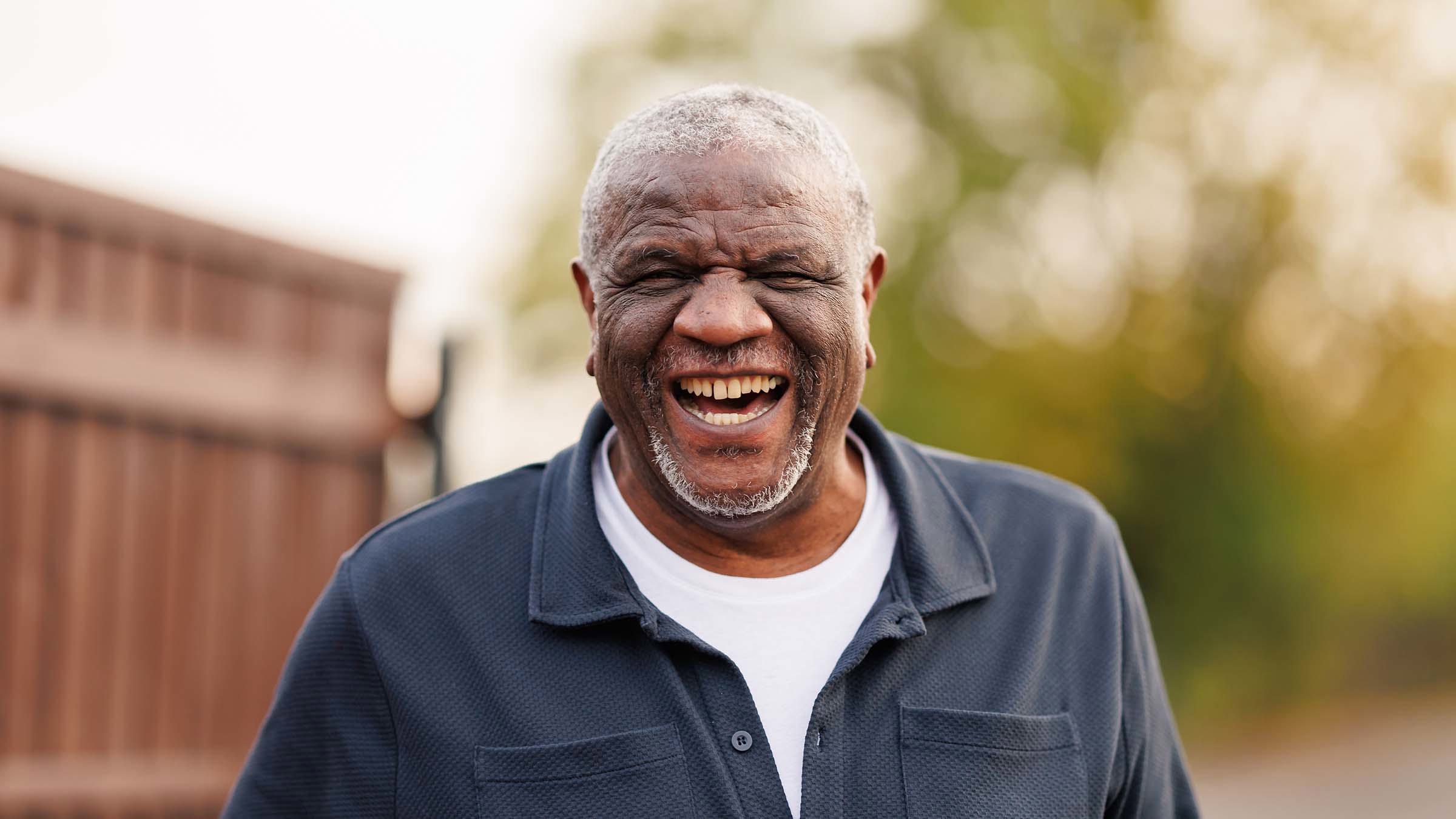
Five decades on, Bob Hazell will always be remembered as Wolves’ first Black goalscorer, but when he talks about Wolves, it’s not about the moments he experienced on the pitch at Molineux which come flooding back, but more of the people he shared those moments with.
The dressing room, the ‘banter’ and the people who put an arm around a young Black player and made him feel at home.
“The funny thing is, people often come up to me and remind me of things I’ve done for them and I don’t remember. But I always remember the good things people did for me.
“That’s what’s stayed with me over the years.
“When I look back at Wolves, I remember the people, the friendships and the way they made me feel welcome. Those are the memories that stay with you forever.”


